
A walk in the outdoors in nature fights loneliness
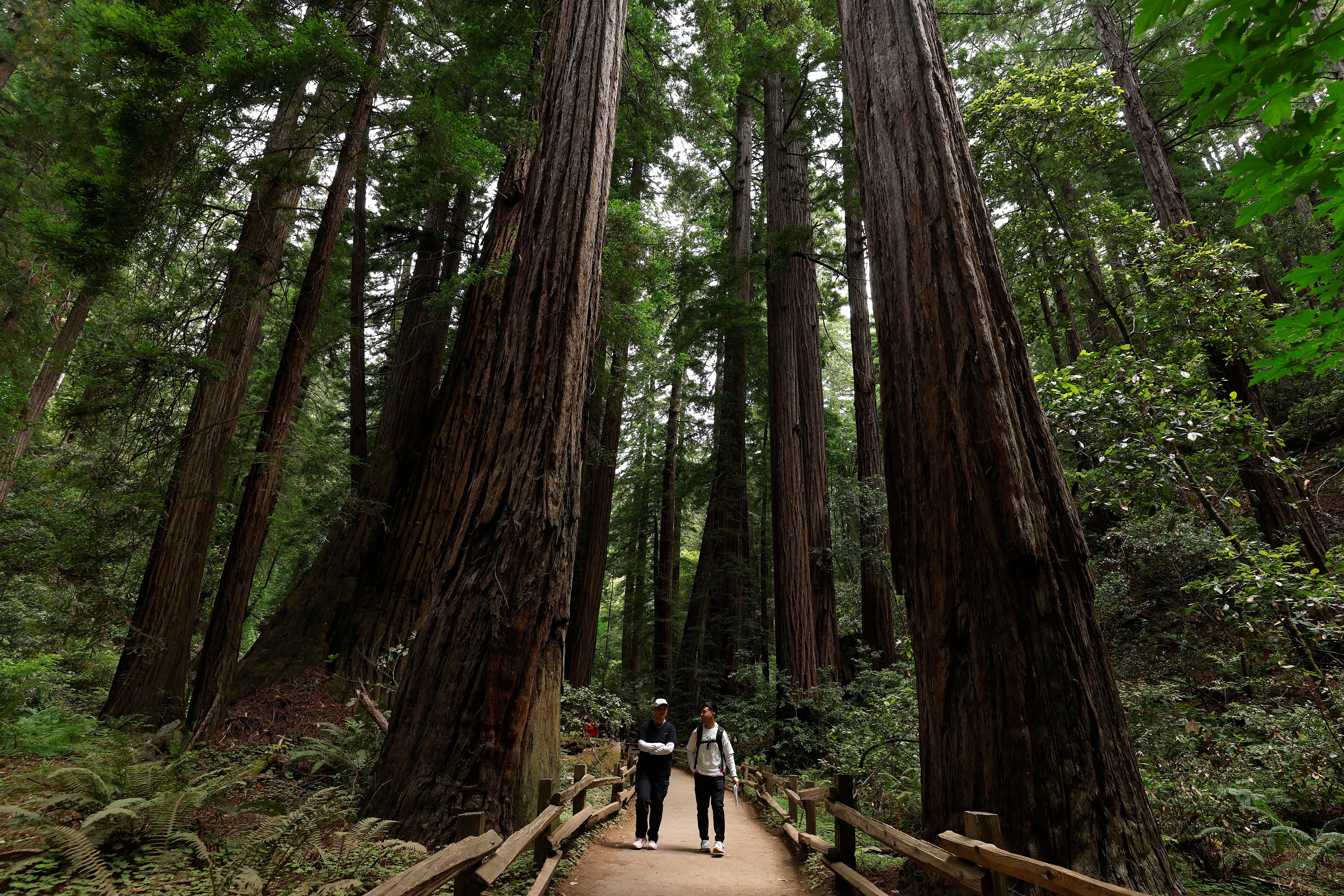
Want to stop feeling so lonely? Walking in nature can be an effective salve for your mental health, Scandinavian researchers said Thursday.
Strolling around a public park or the boundaries of a lake just several times a year helped the majority of more than 2,500 Norway adults improve their mental health, according to a new study.
And it doesn’t matter how long you go – as long as you go slow.
The benefit comes from slowing down and noticing specific details, such as the light or patterns in the leaves on trees, the researchers say.
It also comes from a sense of connectedness that people don’t feel when they’re jogging in nature or performing other activities that focus on personal performance instead of one’s surroundings.

“When you see yourself as part of nature, you create a sense of belonging to a community,” Sindre Johan Cottis Hoff, a research fellow in sociology at Norwegian University of Science and Technology, explained in a statement.
“Many people have previously argued that loneliness only relates to human contact and human communities, but in recent years, several studies have shown that attachment to places and natural environments also have a pronounced effect,” he noted.
Another potential explanation for why walking in nature helps is that it can make destructive thoughts more constructive.
“Several studies have found that feeling connected to nature counteracts precisely these types of destructive thought patterns and even improves relationships with other people,” the researchers pointed out.
The findings could have major implications for the 50 percent of American adults who report being lonely.
Loneliness is a state of mind that results from feeling isolated or not having enough meaningful connections. It can affect any age group – although people between the ages of 30-44 were found to be the loneliest group in a 2023 national survey.
However, the impacts of loneliness reach beyond one’s own feelings.
Studies show loneliness and isolation are tied to higher risks for heart disease, depression and dementia. They’re associated with high blood pressure, obesity, a weakened immune system and anxiety, according to the National Institutes of Health.
The impact of loneliness on our risk of premature death is the equivalent of smoking 15 cigarettes a day.
“Loneliness and a sense of not belonging are major public health challenges. If natural environments are destroyed or become less accessible, it may be costly for society,” Hoff added.
If you don’t have the ability to get out in nature, there are other ways to tackle loneliness.
Reaching out to family or friends and serving the community helps, according to Harvard researchers.
“Collective service can provide important connections that relieve loneliness,” they said, as well as “cultivate meaning and purpose and mitigate mental health challenges.”


You May Also Like

Joe Manganiello’s fiancée Caitlin O’Connor shares why couple left Hollywood for Pennsylvania

Loewe Names Kara Wai and Chen Duling as Brand Ambassadors
